
Kandmool Bhaji Recipe is a very old and special dish made by people who live in the forests of India. It is cooked using wild roots and tubers that grow under the ground.
These roots are called kandmool. Long ago, when there were no markets or gas stoves, people found food from the forest. They picked these roots, cleaned them, and cooked them to make a healthy and tasty curry.
The word kandmool means “roots and tubers”. It includes things like wild yam, forest sweet potato, taro root, and other underground vegetables. People in tribal areas like Chhattisgarh, Jharkhand, Odisha, and Madhya Pradesh still know how to find these roots.
They have learned this from their elders. They know which roots are good for eating and which ones are not safe.
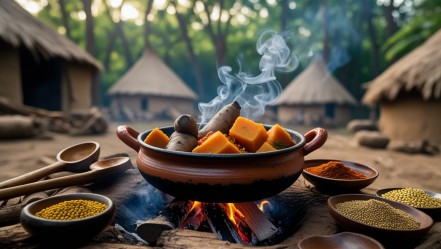
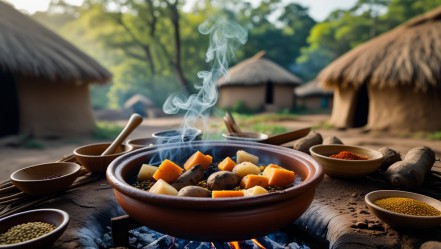
Kandmool Bhaji is not just food. It is part of the life and culture of forest people. They cook it using simple methods like open fire or cow dung cakes. Sometimes, they cook it in clay pots, which gives the food a nice smoky flavor.
This dish is full of energy and is very good for health. It does not have any harmful things like chemicals or packaged masala. It is made with love, care, and knowledge passed down from many generations.
Today, many people don’t know about Kandmool Bhaji. But now is the time to bring it back. This dish teaches us how to eat natural and healthy food, just like our ancestors did.
In this recipe, we will learn how to make Kandmool Bhaji at home step by step, in a simple way.
Ingredients for Kandmool Bhaji
To make Kandmool Bhaji, you don’t need fancy items. It is made with simple, natural things that come from the forest or farm. Here are the ingredients
- Wild Yam – 1 cup, chopped
- Taro Root – 1 cup, peeled and chopped
- Sweet Potato– 1 small, c hopped
- Forest Yam or any other local root – if available
- Mustard Seeds – 1 teaspoon
- Cumin Seeds – 1 teaspoon
- Green Chilies – 1–2, chopped
- Garlic Cloves – 4–5, crushed
- Turmeric Powder – ½ teaspoon
- Salt – to taste
- Red Chili Powder – a pinch
- Mustard Oil / Ghee – 1–2 tablespoons
- Water – as needed for boiling
- Fresh coriander leaves – for garnishing
- Grated coconut – for a South Indian-style twist
- Onion – 1 small, finely chopped
How to Make Kandmool Bhaji – Step-by-Step Recipe
Kandmool Bhaji is cooked slowly using simple and natural methods. It uses wild roots like yam, taro, and sweet potato, which are peeled, boiled, and then sautéed with basic Indian spices. In old tribal kitchens, this dish is made over wood fire or cow dung cakes using clay pots. But at home, you can make it easily using a gas stove and regular pan. The taste will still remind you of something earthy and real.
- Wash and Peel the Roots:
Clean all the roots (yam, taro, sweet potato) with water. Peel off the skin and cut them into small pieces. - Boil the Roots:
In a pot, add water and a pinch of salt. Boil the chopped roots until they are soft but not mushy. Drain the water and keep them aside. - Heat Oil or Ghee:
In a kadhai or pan, heat mustard oil or ghee. Let it become hot. - Add Spices:
Add mustard seeds and cumin seeds. When they start to crackle, add crushed garlic and green chilies. Sauté for a few seconds. - Add Boiled Roots:
Now, add the boiled roots to the pan. Mix everything well. - Add Turmeric and Salt:
Sprinkle turmeric powder and more salt (if needed). You can also add a pinch of red chili powder for extra taste. - Cook on Low Flame:
Let it cook for 5–7 minutes on low flame so that all flavors blend together. Stir gently to avoid breaking the soft roots. - Garnish and Serve:
Turn off the flame. Add chopped coriander leaves on top and serve hot.
Health Benefits of Wild Roots in Kandmool Bhaji
Kandmool Bhaji is not just a traditional tribal dish it is also a super healthy meal made from wild roots and tubers. These roots grow naturally in forests and are full of nutrients that keep the body strong, especially in tough weather like extreme heat or cold. Tribal people have been eating these for centuries, and now even modern science is starting to understand how powerful these foods are.
1. Rich in Natural Energy
Roots like yam, taro, and sweet potato are full of complex carbohydrates. This gives the body long-lasting energy without sudden sugar spikes. That’s why forest people can walk miles after eating just one meal of kandmool.
2. Good for Digestion
These roots are high in dietary fiber, which helps keep your stomach clean and your digestion smooth. It prevents constipation and keeps your gut healthy.
3. Supports Heart Health
Many wild tubers are rich in potassium, which helps control blood pressure and supports heart health. Unlike oily or fried foods, kandmool is light on the heart.
4. Keeps the Body Cool
In traditional tribal medicine, wild roots are known to help the body stay cool in hot climates. That’s why they are often eaten during summer or drought seasons.
5. Brain and Nerve Support
Some roots, like wild yam, contain compounds that support brain and nerve health. They may help with memory and reduce mental fatigue.
6. Builds Natural Immunity
Because these roots grow in the wild and are free from chemicals, they have strong natural antioxidants. These help the body fight infections and improve overall immunity.
7. Naturally Gluten-Free and Chemical-Free
Wild roots are gluten-free and grow without fertilizers or pesticides. That makes Kandmool Bhaji a safe and healthy option for people with allergies or sensitive digestion.
Traditional Cooking Methods of Forest Communities
The people living in forests and tribal areas have a very special way of cooking food like Kandmool Bhaji. Their cooking is simple but deeply connected to nature. They do not use modern tools or machines. Instead, they rely on what is available around them in the forest.
Usually, the cooking starts with making a fire using wood or cow dung cakes. Cow dung cakes are dried patties made from cow dung and dried grass, which burn slowly and give a steady heat.
This kind of fire gives a natural smoky flavor to the food, something that you cannot get with a gas stove or electric oven. The smoke from the fire mixes with the cooking pot and adds an earthy taste to the dish.
The cooking pots used are often made of clay or metal. Clay pots are very important because they hold heat evenly and keep the food warm for a long time.
When Kandmool Bhaji is cooked in these pots, it feels more natural and tasty. The clay also gives the food a mild aroma that many people love.
In forest communities, cooking is often done outdoors, near the fire. Sometimes the food is covered with leaves or cooked in earthen ovens dug into the ground.
These methods help the food cook slowly, so the flavors mix well. Slow cooking also helps to soften the tough roots, making them easier to eat and digest.
Because forest people live close to nature, they use very little oil or spices. They believe that the natural flavor of the ingredients is the best taste. So, the cooking is simple just the wild roots, some basic spices, and fire.
This traditional way of cooking not only makes the food delicious but also keeps the spirit of the forest alive in every bite. It connects the people with their land, their culture, and their ancestors.
Today, even though many people use modern kitchens, these old cooking methods remind us how food and nature are deeply linked.
The Tribal Origins of Kandmool Bhaji
Kandmool Bhaji has its roots deep in the forests and hills where many tribal communities of India have lived for centuries. Tribes from regions like Chhattisgarh, Jharkhand, Odisha, and Madhya Pradesh have traditionally hunted and gathered food from the wild.
For them, the forest was not just home but also a pantry full of fresh, natural ingredients. They learned from their ancestors how to find edible roots and tubers hidden beneath the soil roots known as kandmool. These wild roots became a vital part of their diet, especially during seasons when farming was difficult or food was scarce.
The tribal people developed unique recipes using these forest gifts, combining them with locally available spices and simple cooking methods. Kandmool Bhaji was more than just food; it was a symbol of survival,
Knowledge, and respect for nature. Each tribe had its own way of preparing the dish, passed down through generations as part of their culture and tradition.
Because the tribes lived far from cities and markets, they relied on what the forest offered, making Kandmool Bhaji a dish that represents simplicity, sustainability, and harmony with the environment.
Today, this humble dish tells a story of ancient wisdom and the deep connection between tribal people and their land a connection that reminds us to appreciate and protect the natural world.
Conclusion
Kandmool Bhaji is more than just a dish it is a special part of India’s tribal heritage and a beautiful example of how nature and food come together. Made from wild roots found in the forest, it is healthy, natural, and full of stories from the past. By learning about and cooking Kandmool Bhaji, we can keep alive the wisdom of the tribes and enjoy a taste of something truly unique and pure.
FAQs
1. What is Kandmool Bhaji made of?
It is made from wild roots and tubers like yam, taro, and sweet potato.
2. Where does Kandmool Bhaji come from?
It comes from tribal communities living in forests of central and eastern India.
3. Is Kandmool Bhaji healthy?
Yes, it is very healthy because it uses natural roots and simple spices.
4. Can I find kandmool roots in the market?
Sometimes yes, but wild roots are mostly found in forests or tribal areas.
5. How is Kandmool Bhaji cooked traditionally?
It is cooked slowly over wood fire or cow dung cakes in clay pots.
Pingback: Khejdi Ki Sabzi: The Ancient Flavors of Rajasthan - Nikhil Hub