
Khejdi Ki Sabzi is not just a dish, it is a part of Rajasthan’s cultural and historical heritage. Prepared from the pods of the Khejdi tree, this sabzi has been cherished for centuries in the desert regions of Rajasthan where fresh vegetables are scarce.
Known as the “Kalpavriksha of the desert”, the Khejdi tree provides shade, fodder, and most importantly, nutritious pods that are cooked into a flavorful curry.
Traditionally, Khejdi Ki Sabzi is prepared with simple ingredients like dry spices, ghee, and sometimes curd, which enhance its earthy taste.
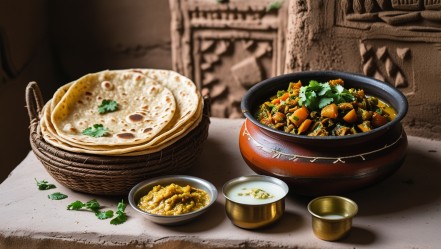
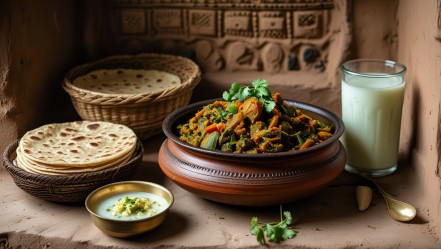
The dish is usually paired with bajra roti, churma, or plain rice, making it a wholesome and filling meal. Its rustic flavors carry the essence of Rajasthan’s desert lifestyle, where resourcefulness and taste go hand in hand.
Beyond taste, Khejdi pods are rich in protein, fiber, and essential minerals. In ancient times, this sabzi was considered a natural remedy for boosting digestion and strengthening immunity.
Even today, it is valued as a superfood in rural Rajasthan, though sadly, urban areas are slowly forgetting this gem.
Reviving dishes like Khejdi Ki Sabzi is important, not just for their unique flavors but also to preserve the culinary legacy of Rajasthan.
For food lovers seeking something rare and authentic, this dish offers a delightful taste of history served on a plate.
Ingredients to Make Traditional Khejdi Ki Sabzi
To prepare an authentic Rajasthani-style Khejdi Ki Sabzi, you will need the following ingredients:
- Khejdi Pods (Sangri / Khejri Phali) – 1 cup (soaked and boiled)
- Onion – 1 medium-sized (finely chopped)
- Tomato – 1 medium-sized (finely chopped)
- Green Chilies – 2 (slit)
- Ginger-Garlic Paste – 1 tsp
- Curd (Dahi) – ½ cup (beaten)
- Ghee / Mustard Oil – 2 tbsp
Spices:
- Cumin Seeds (Jeera) – ½ tsp
- Turmeric Powder (Haldi) – ½ tsp
- Red Chili Powder – 1 tsp
- Coriander Powder (Dhaniya) – 1 tsp
- Garam Masala – ½ tsp
- Salt – as per taste
For Garnishing:
- Fresh Coriander Leaves – chopped
Step-by-Step Recipe of Khejdi Ki Sabzi
Follow these simple steps to prepare an authentic Rajasthani-style Khejdi Ki Sabzi:
Step 1: Prepare the Khejdi Pods
- Wash the khejdi pods thoroughly.
- Soak them in water for 7–8 hours or overnight.
- Boil the soaked pods in salted water until they become soft. Drain the water and keep them aside.
Step 2: Heat the Oil/Ghee
- In a heavy-bottomed pan, heat 2 tablespoons of ghee or mustard oil.
- Add ½ teaspoon cumin seeds and let them splutter.
Step 3: Cook the Base Masala
- Add finely chopped onions and sauté until golden brown.
- Mix in ginger-garlic paste and cook for 1–2 minutes until the raw smell disappears.
- Add chopped tomatoes and green chilies, then cook until the tomatoes turn soft and the oil separates.
Step 4: Add the Spices
- Add turmeric powder, red chili powder, coriander powder, and salt.
- Stir well to blend the spices with the onion-tomato masala.
Step 5: Add Curd for Richness
- Lower the flame and add ½ cup beaten curd gradually.
- Stir continuously to avoid curdling. Cook for 2–3 minutes.
Step 6: Add Khejdi Pods
- Now add the boiled khejdi pods into the masala.
- Mix well so that the pods absorb all the flavors.
- Add a little water if you want a semi-gravy consistency.
Step 7: Slow Cooking
- Cover the pan and let it cook on low flame for 8–10 minutes.
- Stir occasionally so that the sabzi doesn’t stick to the bottom.
Step 8: Final Touch
- Sprinkle garam masala and garnish with fresh coriander leaves.
- Serve hot with bajra roti, wheat chapati, or plain rice.
Health Benefits of Eating Khejdi Ki Sabzi
Khejdi Ki Sabzi is not only a traditional Rajasthani delicacy but also a powerhouse of nutrition. The pods of the Khejdi tree (Prosopis cineraria) are rich in essential nutrients that make this dish both tasty and healthy. Here are some of the key health benefits:
- Rich in Protein and Fiber
- Khejdi pods are packed with plant-based protein and dietary fiber, which help in muscle building and improve digestion.
- Boosts Immunity
- The natural antioxidants present in khejdi strengthen the immune system and protect the body from infections.
- Good for Digestion
- Being high in fiber, this sabzi supports a healthy digestive system and prevents constipation.
- Regulates Blood Sugar
- Khejdi pods have a low glycemic index, which makes them beneficial for people with diabetes as they help in controlling blood sugar levels.
- Bone Strengthening
- Rich in calcium and essential minerals, it promotes healthy bones and teeth.
- Detoxifies the Body
- Traditionally, khejdi has been used as a natural detoxifier that removes toxins from the body and keeps the liver healthy.
- Natural Cooling Effect
- In desert regions, khejdi is considered to have a cooling effect on the body, making it ideal for hot climates.
Variations of Khejdi Ki Sabzi in Rural Rajasthan
In rural Rajasthan, Khejdi Ki Sabzi is cooked in different ways depending on the availability of ingredients and the local tradition. Every household has its own style of preparing this dish, which makes it even more special. Some popular variations include:
- Dry Khejdi Sabzi
- Cooked simply with ghee, salt, and red chili powder. This is the most rustic version and is usually eaten with bajra roti in desert villages.
- Curd-Based Khejdi Sabzi
- In many households, beaten curd is added to the sabzi, giving it a tangy and creamy taste. This version is popular during summer as it keeps the body cool.
- Khejdi with Sangri and Kumatiya
- A famous mix called Panchkuta Sabzi, where khejdi pods are cooked together with sangri, kumatiya, dried kachri, and amchur. This is often prepared during festivals and weddings.
- Onion-Tomato Masala Khejdi Sabzi
- In some rural areas, onions and tomatoes are added to make the sabzi more flavorful and slightly spicy.
- Spicy Desert-Style Khejdi
- In the harsh desert regions, extra red chili and garlic chutney are added for a fiery taste that matches the local palate.
- Festive Khejdi Sabzi
- During special occasions, cashews, raisins, or a little extra ghee are added to make the dish richer and more festive.
Best Side Dishes to Serve with Khejdi Ki Sabzi
| Side Dish | Why It Pairs Well with Khejdi Ki Sabzi |
|---|---|
| Bajra Roti (Millet Bread) | Enhances the earthy desert flavors and makes the meal more filling. |
| Steamed Rice | Balances the spices and provides a light combination. |
| Missi Roti | Adds extra taste with gram flour and spices. |
| Garlic Chutney | Complements the mild flavors with a spicy kick. |
| Chhachh (Buttermilk) | Keeps the body cool and aids digestion in hot weather. |
| Churma (Sweet Crumble) | Creates a perfect sweet and savory balance when served together. |
Storage Tips for Khejdi Pods and Curry
For Fresh Khejdi Pods:
- Always wash and sun-dry the pods before storing.
- Store them in an airtight container in a cool, dry place to prevent moisture.
- If possible, keep them in a cloth bag for natural ventilation.
For Dried Khejdi Pods:
- Sun-dried pods can last for months if stored in airtight jars.
- Avoid keeping them in plastic bags for long as they may catch moisture.
For Cooked Khejdi Curry:
- Store the leftover curry in an airtight container in the refrigerator.
- Consume within 2–3 days for best taste and freshness.
- Reheat on low flame, adding a little water or buttermilk to restore texture.
Freezing Option:
- Cooked curry can be frozen for up to 2 weeks in freezer-safe boxes.
- Thaw naturally and heat before serving to retain flavors.
Common Mistakes to Avoid While Cooking Khejdi
Khejdi Ki Sabzi is a traditional Rajasthani delicacy that requires patience and the right technique to bring out its authentic flavor. While the recipe may look simple, many people make common mistakes that affect both the taste and texture of the dish. If you want to enjoy the real essence of Khejdi, here are some mistakes you should avoid:
1. Skipping the Soaking Process
One of the biggest mistakes is cooking khejdi pods without soaking them properly. These pods are naturally dry and fibrous, and if they are not soaked overnight, they remain hard and chewy even after cooking. Always soak them in water for 7–8 hours before preparing the sabzi.
2. Not Boiling the Pods Correctly
Even after soaking, khejdi pods need to be boiled until soft. Some people under-boil them, which makes the sabzi unpleasant to eat. On the other hand, over-boiling can make the pods too mushy. The right balance is essential.
3. Using Excess Spices
Traditional khejdi ki sabzi is known for its earthy and mild flavor. Adding too many spices or heavy masalas can overpower its natural taste. Stick to simple ingredients like turmeric, red chili, coriander powder, and curd.
4. Cooking on High Flame
Khejdi requires slow cooking for the flavors to blend well. Cooking it on high flame can burn the masala and spoil the texture. Always keep the flame medium to low and allow it to simmer.
5. Storing Carelessly
Leftover khejdi curry should be stored in an airtight container in the refrigerator. Many people leave it open, which leads to spoilage and loss of flavor.
Is Khejdi Ki Sabzi Good for Digestion
Yes, Khejdi Ki Sabzi is considered very good for digestion. The pods of the Khejdi tree are naturally rich in dietary fiber, which helps in maintaining a healthy digestive system. Fiber adds bulk to the stool, prevents constipation, and promotes smooth bowel movements.
In rural Rajasthan, khejdi has traditionally been used as a natural digestive aid, especially in hot desert climates where heavy food often causes stomach discomfort. When cooked with simple spices like cumin, coriander, and turmeric, khejdi not only becomes flavorful but also light on the stomach.
Another benefit is its cooling effect on the body. Consuming khejdi with bajra roti or buttermilk during summer helps reduce acidity and indigestion problems. Since it is low in fat and free from complex oils, it is easily digestible for people of all age groups, including the elderly.
However, it is important to prepare it correctly. If the pods are not soaked and boiled properly, they can feel hard and may cause discomfort in digestion. Slow cooking with curd or buttermilk makes the sabzi softer and more stomach-friendly.
Conclusion
Khejdi Ki Sabzi is a simple yet powerful dish that reflects the true essence of Rajasthan’s desert cuisine. Nutritious, earthy, and easy to digest, it connects us with ancient traditions while offering modern health benefits. Bringing this forgotten recipe back to our plates is a way to preserve Rajasthan’s rich food heritage.
FAQs
1. What is Khejdi Ki Sabzi made of?
It is made from the pods of the khejdi tree, cooked with spices, curd, or ghee.
2. Is Khejdi Ki Sabzi healthy?
Yes, it is rich in protein, fiber, and minerals, making it highly nutritious.
3. What is the best combination with Khejdi Ki Sabzi?
It tastes best with bajra roti, garlic chutney, or steamed rice.
4. Can we store cooked Khejdi Ki Sabzi?
Yes, it can be stored in the fridge for 2–3 days in an airtight container.
5. Why is Khejdi called the “Kalpavriksha of the Desert”?
Because the khejdi tree provides food, fodder, shade, and medicinal benefits in desert areas.