
Desert Smoke Churma – Cooked on Cow Dung Cakes is a very special sweet dish from villages in Rajasthan, India. People in old times made this dish by cooking wheat dough balls (called baati) on cow dung cakes, which are used like firewood in villages. This gives the churma a strong, smoky smell and taste that feels like the desert.
To make this dish, first the baati is cooked slowly over the fire made with cow dung cakes. This kind of cooking is very natural and does not need gas or electricity. After the baati is ready, it is crushed and mixed with ghee (pure butter), jaggery or sugar, and sometimes dry fruits like almonds or raisins. The final dish is called churma, and it is sweet, rich, and full of flavor.
This type of churma is not very common today. But in some villages, people still make it during festivals or family gatherings. It reminds them of old times and the way their grandparents used to cook.
Desert Smoke Churma is more than just food. It is a part of our tradition. It shows how simple things, like cooking on cow dung cakes, can make food taste really amazing.
What is Desert Smoke Churma
Desert Smoke Churma is a special sweet dish from the deserts of Rajasthan, India. It is made by cooking small round wheat dough balls called baati over cow dung cakes (called upla or gajra), which are used as fuel in rural areas. Cooking the baati on these cow dung cakes gives the churma a unique smoky flavor and aroma, unlike any other sweet dish.
After the baati is cooked, it is crushed into small pieces and mixed with ghee (clarified butter) and jaggery or sugar to make churma. Sometimes dry fruits and spices like cardamom are added to make it more tasty.
This dish is traditional and is still enjoyed in many villages during festivals and special occasions. The smoky taste from cooking on cow dung cakes makes it different and special compared to regular churma.
In short, Desert Smoke Churma is a delicious, smoky, sweet treat that connects people to the rich food traditions of Rajasthan’s desert areas.
Origin of Desert Smoke Churma
Desert Smoke Churma comes from the Marwar and Thar desert regions of Rajasthan, India. This dish shows the daily life and traditional cooking methods of the people living in the desert. Since gas and electricity were not easily available, people used cow dung cakes (called uplas or gajra) as fuel for cooking.
They slowly roasted the wheat dough balls called baati over these cow dung cakes, which gave the food a special smoky flavor. After cooking, the baati is crushed and mixed with ghee and jaggery to make churma, a sweet and energy-rich dish perfect for the hot desert climate.
- Cow dung cakes are a natural and easily available fuel in desert areas.
- Slow cooking over uplas gives food a unique smoky taste and aroma.
- Baati and churma are made using local wheat.
- This dish reflects Rajasthan’s rich food culture and sustainable cooking practices.
Even today, this traditional recipe is made in some villages during festivals and weddings, keeping the old customs alive.
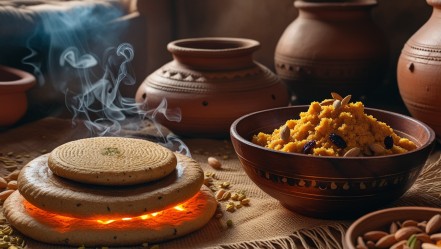
Ingredients for Making Desert Smoke Churma
To make authentic Desert Smoke Churma, you will need these basic ingredients:
- Wheat Flour – for making baati dough
- Water – to knead the dough
- Salt – a pinch, for taste
- Cow Dung Cakes Uplas/Gajra – used for slow roasting baati traditional fuel
- Ghee clarified butter – to mix with churma and for flavor
- Jaggery or Sugar – to sweeten the churma
- Cardamom Powder optional – for aroma and taste
- Dry Fruits like almonds, cashews, or raisins optional – for extra richness
How to Make Desert Smoke Churma
Making Desert Smoke Churma is a simple yet special process that involves traditional cooking methods to bring out the unique smoky flavor. First, wheat dough balls called baati are prepared and then slowly roasted over cow dung cakes (uplas).
This slow roasting gives the baati a smoky aroma and a crisp texture. After roasting, the baati is crushed into small pieces and mixed with warm ghee and jaggery or sugar. Adding cardamom powder and dry fruits makes the churma even more delicious and flavorful. The result is a sweet, rich dish that carries the taste of Rajasthan’s desert and heritage.
Step-by-Step Process:
- Prepare the Dough: Mix wheat flour, a pinch of salt, and water to make a firm dough.
- Shape the Baati: Divide the dough into small balls (baati) and flatten them slightly.
- Roast on Cow Dung Cakes: Cook the baati slowly over cow dung cakes (uplas) or an open fire until golden brown and cooked through.
- Cool and Crush: Let the baati cool, then crush it into coarse pieces using your hands or a mortar and pestle.
- Mix with Ghee and Jaggery: Heat ghee and melt jaggery or sugar in it. Pour this warm mixture over the crushed baati and mix well.
- Add Flavors: Sprinkle cardamom powder and chopped dry fruits like almonds and raisins for extra taste.
- Serve: Serve the churma warm or at room temperature, often alongside dal or curry.
Where You Can Still Find Authentic Desert Smoke Churma
Desert Smoke Churma, with its unique smoky flavor and traditional cooking method, is a rare delicacy that holds a special place in the heart of Rajasthan’s desert culture. Though fast modern cooking methods have become popular in most parts of India, this authentic dish is still lovingly prepared in a few remote villages and during cultural festivals where people celebrate their heritage and age-old food traditions.
The tradition of cooking churma on cow dung cakes (uplas) dates back centuries and remains alive primarily in the Marwar region—including districts like Jodhpur, Barmer, Jaisalmer, and Pali—and in the smaller desert towns around the Thar Desert. These areas still rely on cow dung cakes as an affordable, natural source of fuel, especially in rural homes that may not have easy access to LPG or electricity.
Traditional Homes and Villages
In many traditional households in Rajasthan’s villages, the method of cooking baati over cow dung cakes is passed down from generation to generation. Older family members teach the younger ones how to prepare
And roast baati the old-fashioned way, making churma a dish full of memories and cultural pride. Many families continue this practice during festivals, weddings, or special occasions to honor their ancestors and keep their heritage alive.
Cultural and Religious Festivals
One of the best places to experience authentic Desert Smoke Churma is during local festivals such as Diwali, Makar Sankranti, Gangaur, and Teej. During these celebrations, people often prepare traditional Rajasthani meals that include baati, dal, and churma cooked the old way.
The smoky aroma fills the air, adding a festive and nostalgic atmosphere. Visitors who attend these festivals are often treated to this unique dish and can witness the traditional cooking process firsthand.
Desert Food Festivals and Fairs
Several food festivals in Rajasthan and nearby states showcase rural and tribal cuisine, focusing on sustainable and traditional cooking techniques. Events like the Rajasthan Desert Festival in Jaisalmer, Marwar Festival in Jodhpur, and various folk fairs include
Demonstrations and tastings of dishes like Desert Smoke Churma. These festivals play a crucial role in preserving and promoting such ancient culinary arts, allowing food lovers and tourists to taste something truly unique and authentic.
Ethnic Restaurants and Heritage Hotels
In recent years, some heritage hotels and ethnic restaurants in Rajasthan have started reviving traditional recipes, including Desert Smoke Churma, to give tourists a genuine cultural experience. These establishments sometimes prepare the dish using
Cow dung cake roasting or simulate the smoky flavor with modern methods to maintain authenticity. While it might not be exactly the same as rural cooking, these places offer a close approximation and an opportunity to enjoy the dish in a comfortable setting.
Challenges to the Tradition
Despite its cultural importance, authentic Desert Smoke Churma is becoming harder to find. Urbanization, modernization, and the widespread use of gas and electric stoves have reduced the use of cow dung cakes as fuel.
Younger generations in many villages prefer quicker cooking methods, leading to the gradual loss of this culinary art. Environmental concerns and cleanliness issues surrounding cow dung cake use in urban or semi-urban areas also contribute to the decline.
Efforts to Preserve and Promote
There are ongoing efforts by cultural organizations, food historians, and some government initiatives to document and preserve traditional Rajasthani cooking methods, including Desert Smoke Churma.
Workshops, cooking classes, and food tourism projects are encouraging people to learn and appreciate these techniques. Social media and food bloggers also play an important role by sharing stories and recipes, bringing global attention to this beautiful desert delicacy.
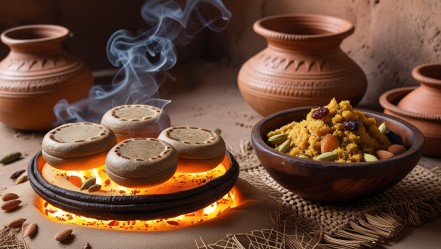
Health Benefits of Desert Smoke Churma
Desert Smoke Churma is not only a delicious and traditional sweet dish from Rajasthan but also offers some interesting health benefits when made the authentic way. Unlike many modern sweets that use refined flour and processed sugar, this churma uses simple, natural ingredients and a unique cooking process that adds nutritional value.
Made with Whole Wheat Flour
The main ingredient in Desert Smoke Churma is whole wheat flour, which is rich in fiber, vitamins, and minerals. Whole wheat helps in better digestion, controls blood sugar levels, and provides long-lasting energy. Since churma is made from roasted wheat baati that is crushed and mixed with ghee and jaggery, it retains much of its nutritional goodness.
Natural Sweetener: Jaggery
Instead of refined sugar, traditional churma often uses jaggery, a natural sweetener made from sugarcane or palm sap. Jaggery contains iron, calcium, and other minerals, and helps improve digestion and cleanse the body. It is also known to boost immunity and provide energy without causing sudden spikes in blood sugar.
Ghee – A Healthy Fat
Ghee or clarified butter, used generously in churma, is a source of healthy fats. Ghee is rich in fat-soluble vitamins A, D, E, and K, which support the immune system, improve eyesight, and promote heart health. It also helps in digestion by stimulating the secretion of stomach acids and enzymes.
Slow Cooking Adds Digestibility
The traditional slow roasting of baati over cow dung cakes not only gives a unique smoky flavor but also makes the wheat easier to digest. Slow cooking helps retain nutrients and improves the texture, making churma a wholesome meal option especially in the desert climate where energy is needed.
Rich in Energy and Nutrients
Desert Smoke Churma is an energy-dense food. It provides carbohydrates from wheat, healthy fats from ghee, and minerals from jaggery and dry fruits (if added). This makes it an ideal dish for people working hard in hot and dry conditions, giving them sustained energy.
Natural Ingredients with No Additives
Since Desert Smoke Churma is traditionally made at home with simple, natural ingredients, it contains no artificial preservatives, colors, or flavors. This makes it a healthier alternative to many commercially prepared sweets.
Conclusion
Desert Smoke Churma is a unique and delicious traditional sweet from Rajasthan. Its smoky flavor and natural cooking method make it special. This dish not only tastes great but also carries the rich culture and heritage of the desert people. Enjoying Desert Smoke Churma is like tasting a piece of history and tradition.
FAQs
1. What is Desert Smoke Churma?
It is a sweet dish from Rajasthan made by roasting baati over cow dung cakes, giving it a unique smoky flavor.
2. Why are cow dung cakes used for cooking?
They are a natural fuel source in rural Rajasthan and add a special smoky taste to the food.
3. Can I make Desert Smoke Churma without cow dung cakes?
Yes, but the smoky flavor will be less authentic if cooked on gas or electric stoves.
4. Is Desert Smoke Churma healthy?
Yes, it uses whole wheat, ghee, and jaggery, making it nutritious and energy-rich.
5. When is Desert Smoke Churma usually made?
It is often prepared during festivals, weddings, and special occasions in Rajasthan.