
Pickles have always been an integral part of Indian cuisine, adding a tangy and spicy punch to any meal. Among the many varieties, the Best Colocasia Stem Pickle Recipe stands out as a unique and healthy choice that is not only flavorful but also packed with traditional goodness.
Colocasia, commonly known as arbi or taro, is widely used in Indian households for curries, fritters, and sabzis, but very few people know that its stems can also be transformed into a delicious pickle. This rare preparation is both nutritious and appetizing, making it a perfect accompaniment to daily meals.
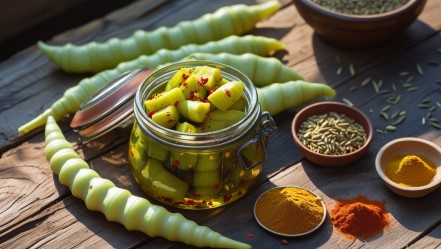
The best part about making Colocasia Stem Pickle at home is that it is free from harmful preservatives and packed with authentic spices that enhance digestion. The stems are carefully cleaned, cut, and marinated with mustard oil, turmeric, chili powder, fenugreek, and other aromatic spices, giving it a bold yet earthy flavor. When stored properly, this pickle can last for weeks, allowing you to enjoy its tangy crunch alongside parathas, dal-rice, or even simple khichdi.
Not only is this pickle flavorful, but it is also healthy and gut-friendly. Colocasia stems are rich in fiber, vitamins, and essential minerals that aid digestion and boost immunity. The fermentation process further enhances its probiotic value, making it beneficial for the stomach.
If you’re someone who loves experimenting with traditional recipes or wants to add a rare pickle to your dining table, this homemade Colocasia Stem Pickle is definitely worth trying. With just a few ingredients and simple steps, you can prepare a pickle that is tangy, spicy, and wholesome a true taste of heritage in every bite.
Ingredients Required for Colocasia Stem Pickle
To prepare a flavorful Colocasia Stem Pickle, you don’t need too many complicated ingredients. The recipe mainly relies on fresh colocasia stems and a blend of traditional Indian spices that bring out its tangy, spicy, and earthy flavor. Using pure mustard oil enhances both the taste and the shelf life of the pickle, while natural spices make it gut-friendly and aromatic.
- Fresh colocasia stems – 2 cups (cleaned & chopped)
- Mustard oil – ½ cup (for tempering and flavor)
- Turmeric powder – 1 tsp
- Red chili powder – 1 tbsp (adjust to taste)
- Mustard seeds (rai) – 1 tbsp
- Fenugreek seeds (methi dana) – 1 tsp (slightly roasted & crushed)
- Fennel seeds (saunf) – 1 tsp
- Asafoetida (hing) – ¼ tsp
- Salt – to taste
- Lemon juice or vinegar – 2 tbsp (for tanginess & preservation)
Method to Make Colocasia Stem Pickle
Making Colocasia Stem Pickle at home is simple, but it requires careful cleaning and proper spice balance to bring out the best flavors. Follow these steps for a tangy and healthy pickle
Step 1 – Clean and Prepare the Stems
- Wash the colocasia stems thoroughly to remove any dirt.
- Peel off the thin outer layer and chop the stems into small pieces.
- Pat them dry with a clean cloth, as moisture can spoil the pickle.
Step 2 – Roast and Crush the Spices
- Lightly dry roast fenugreek seeds and fennel seeds on a low flame until fragrant.
- Allow them to cool, then crush them coarsely for better flavor.
Step 3 – Heat Mustard Oil
- In a pan, heat mustard oil until it reaches the smoking point.
- Turn off the flame and let it cool slightly; this removes the raw smell.
Step 4 – Mix the Spices
- In a mixing bowl, add turmeric, red chili powder, salt, hing, mustard seeds, crushed fenugreek, and fennel.
- Add the chopped colocasia stems to this spice mix.
Step 5 – Combine with Oil and Tanginess
- Pour the warm mustard oil over the mixture and mix well.
- Add lemon juice or vinegar for tanginess and natural preservation.
Step 6 – Store the Pickle
- Transfer the pickle into a clean, dry glass jar.
- Keep it in sunlight for 2–3 days to enhance flavor.
- Shake the jar daily for even mixing.
Your Colocasia Stem Pickle is now ready to enjoy Serve it with parathas, dal-chawal, or even simple curd rice for a flavorful twist.
Nutritional Value of Colocasia Stem Pickle
| Nutrient | Approx Value |
|---|---|
| Calories | 35–40 kcal |
| Carbohydrates | 3–4 g |
| Protein | 0.5 g |
| Fat | 2.5–3 g |
| Fiber | 1 g |
| Sodium (Salt) | 200–250 mg |
| Vitamin C | Small amount |
| Calcium & Iron | Trace levels |
Tips for Perfect Flavor & Texture
Making a good Colocasia Stem Pickle is all about balancing spices, oil, and texture. If you want your pickle to taste authentic and stay fresh longer, keep these simple yet effective tips in mind:
- Use fresh stems only – Always choose tender and fresh colocasia stems; old or fibrous stems can turn the pickle chewy.
- Dry the stems completely – Any moisture can spoil the pickle quickly. After washing, dry the stems under a fan or in sunlight.
- Roast spices for aroma – Light roasting of fenugreek, mustard, and fennel seeds brings out a deep, earthy aroma.
- Mustard oil is key – Always heat mustard oil till it smokes; this removes raw smell and gives a strong, traditional flavor.
- Balance salt and spice – Too much chili can overpower the natural taste of stems, so balance it with fennel or a little lemon juice.
- Sun exposure enhances taste – Keeping the jar in sunlight for 2–3 days not only helps preserve it but also deepens the flavor.
- Store in glass jars – Use a clean, dry glass jar instead of plastic to maintain the natural taste and avoid spoilage.
Health Benefits of Colocasia Stem Pickle
Colocasia Stem Pickle is not just a tasty addition to meals but also a nutritious one. The stems of colocasia are naturally rich in fiber, which supports smooth digestion and prevents constipation.
They also contain important vitamins and minerals such as Vitamin C, calcium, and iron, which help in boosting immunity and keeping bones strong.
When prepared with mustard oil and traditional spices, this pickle becomes even more beneficial for the gut because the fermentation process develops probiotic qualities.
The presence of turmeric and fenugreek in the recipe adds anti-inflammatory properties, while lemon juice or vinegar works as a natural detoxifier for the body.
Eating a small portion of this pickle regularly can provide energy, improve digestion, and support overall wellness, making it a perfect blend of taste and health.
Storage & Shelf Life of Colocasia Stem Pickle
Proper storage is very important to maintain the taste and freshness of Colocasia Stem Pickle. Always store the pickle in a clean and dry glass jar, as moisture or dirt can spoil it quickly.
Once the pickle is prepared, it is best to keep the jar in sunlight for two to three days so that the spices blend well and the flavor deepens. After that, you can store it at room temperature in a cool, dry place.
If handled carefully, this pickle can last for up to one to two months without losing its taste. For longer shelf life, make sure you always use a clean, dry spoon while serving, and keep the jar tightly sealed.
In humid conditions, you may also refrigerate the pickle, which will help preserve its crunch and tanginess for an extended time.
Common Mistakes to Avoid
While making Colocasia Stem Pickle, a few small mistakes can spoil the taste and reduce its shelf life. Since pickles need careful handling, it’s important to follow the right process.
Moisture, incorrect spice balance, or improper oil usage are the most common reasons why pickles don’t turn out well. To help you avoid such issues, here are some key mistakes to keep in mind
- Not drying the stems properly – Even a little moisture can cause the pickle to spoil quickly.
- Skipping mustard oil smoking step – Using raw mustard oil can leave a pungent and unpleasant smell.
- Overusing or underusing salt – Too much salt can make it bitter, while too little reduces shelf life.
- Not sterilizing the jar – Always use a clean, dry glass jar; otherwise, fungal growth can develop.
- Exposing to excess moisture – Using wet spoons or leaving the jar open can spoil the pickle early.
Is Colocasia Stem Pickle Good for Digestion
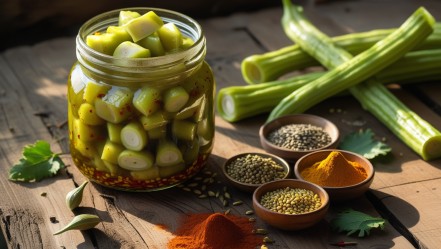
Yes, Colocasia Stem Pickle can be good for digestion when eaten in moderation. Colocasia stems are naturally rich in dietary fiber, which helps regulate bowel movements and keeps the digestive system healthy.
The spices used in the pickle, like turmeric, fenugreek, and fennel, also support digestion by reducing bloating and improving gut health. Moreover, when the pickle is left to rest for a few days, mild fermentation takes place, which adds probiotic properties that are beneficial for the stomach.
However, it should always be consumed in small quantities, because excess pickle can sometimes lead to acidity or heaviness due to the use of oil and spices. Enjoyed in the right portion, this traditional pickle not only adds flavor to meals but also keeps your gut active and healthy.
Variations of Colocasia Stem Pickle
The beauty of Colocasia Stem Pickle is that it can be prepared in different ways depending on regional tastes and spice preferences.
In Rajasthan, people often add extra mustard seeds and red chili powder to make it spicier and more robust in flavor. In some parts of Punjab, a little jaggery or sugar is mixed to give the pickle a sweet and tangy balance.
South Indian versions sometimes include curry leaves and sesame oil instead of mustard oil, adding a unique aroma. For those who prefer a lighter taste, lemon juice is used more generously to give it a fresh, citrusy kick.
Some households also prepare a quick version without fermentation, while others let it mature in sunlight for several days to deepen the flavor. Each variation has its own charm, making this pickle versatile and adaptable to every kitchen.
Conclusion
The Colocasia Stem Pickle is a wonderful blend of taste, tradition, and health. It transforms a simple vegetable stem into a tangy, spicy, and flavorful side dish that perfectly complements Indian meals.
Packed with fiber, minerals, and the goodness of traditional spices, this pickle not only enhances the taste of your food but also supports digestion and overall wellness.
When prepared with care and stored properly, it can last for weeks, offering a burst of flavor with every meal. Whether enjoyed with parathas, dal-rice, or khichdi, this pickle adds a special touch of heritage to your plate.
If you’re looking to try something unique, healthy, and homemade, then Colocasia Stem Pickle is truly worth adding to your kitchen.
FAQs
How long does Colocasia Stem Pickle last
If stored properly, it can last for 1–2 months.
Can we use any oil other than mustard oil
Yes, but mustard oil gives the best authentic flavor.
Is Colocasia Stem Pickle good for health
Yes, it is rich in fiber and supports digestion.
Can diabetic patients eat this pickle
Yes, in moderation, as long as it has no added sugar.
What dishes go best with this pickle
It pairs well with parathas, dal-rice, and curd rice.
Pingback: Kandmool Bhaji Recipe – A Forgotten Forest Feast from Tribal India - Nikhil Hub